






AI in Agriculture (AgriTech): From Predictive Harvesting to Pest Control
Agriculture faces immense pressure to increase yields sustainably amidst climate change, limited resources, and a growing global population. Artificial Intelligence (AI) is the core technology enabling **Precision Agriculture**—a data-driven farming management approach that observes, measures, and responds to variability in crops and fields. AI moves farming from large-scale, generalized methods to hyper-localized, efficient intervention, maximizing productivity while minimizing environmental impact.
I. Field Monitoring and Diagnostics
AI models analyze vast streams of data collected from various sources to provide actionable insights for farmers:
1. Crop and Soil Health Analysis
- Computer Vision for Health: Drones, satellites, and ground sensors capture high-resolution multispectral imagery. Computer Vision systems process these images to detect subtle changes in chlorophyll levels, water stress, or nutrient deficiencies long before they are visible to the human eye.
- Soil Optimization: AI integrates historical yield data with current soil moisture, pH, and mineral content readings to create precise fertilizer and amendment application maps, optimizing resource use on a meter-by-meter basis.
2. Pest and Disease Management
Early and accurate identification of threats is critical to prevent widespread crop loss:
- Early Threat Detection: AI models trained on image databases of common pests, fungi, and viruses can automatically identify infestations and disease outbreaks with high accuracy.
- Targeted Treatment: Instead of broadcasting pesticides across an entire field, AI pinpoints the exact location of the infestation. This enables robots or smart sprayers to apply chemicals only where needed, reducing chemical use by up to 90% and lowering costs.
II. Automation and Optimized Intervention
AI powers the mechanical systems that deliver precision farming strategies, moving intelligence to the farm edge.
1. Robotic Harvesting and Planting
- Selective Harvesting: Advanced robots utilize AI to identify and pick only produce that meets specific ripeness criteria (color, size, texture), based on visual data. This improves product quality and reduces waste.
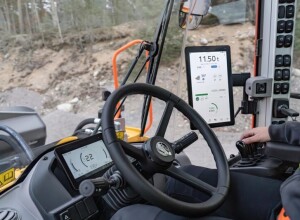
- Autonomous Tractors and Equipment: AI-guided tractors use GPS, sensor fusion, and **Reinforcement Learning** to navigate fields, perform planting, weeding, and tilling tasks with extreme accuracy, minimizing fuel consumption and preventing human error.
2. Edge AI for Real-Time Decisions
Modern AgriTech relies heavily on local processing. Sensors on irrigation systems and robots utilize Edge AI to make instantaneous decisions—such as adjusting a sprinkler head or activating a localized spray—without sending data back to a distant cloud server. This real-time processing capability is vital for maximizing responsiveness to dynamic environmental changes.
III. Predictive Analytics and Yield Forecasting
AI leverages machine learning models to synthesize complex variables and predict future outcomes, enabling better financial and logistical planning:
- Yield Forecasting: Models combine weather forecasts, historical yield data, soil characteristics, and current growth metrics to predict expected harvest volume and quality with high certainty.
- Supply Chain Optimization: Accurate forecasts allow farmers to coordinate harvesting, storage, transportation, and market pricing in advance, reducing post-harvest losses and improving market efficiency.
Conclusion
AI in AgriTech is moving beyond simple data collection; it is enabling **sustainable intensification**, where more food is produced using fewer resources. By fusing data science with biological insight, AI ensures resilience and efficiency for the next generation of global food security.
Navigation
Continue exploring AI applications and technical fundamentals: